
The 50/30/20 Budget Rule That Financial Experts Swear By
Key Points
Here's what nobody tells you about the 50/30/20 rule: it works precisely because it's stupidly simple. While financial gurus peddle 47-step wealth systems that require a PhD in accounting, this three-
The 50/30/20 Budget Rule That Financial Experts Swear By
Here's what nobody tells you about the 50/30/20 rule: it works precisely because it's stupidly simple. While financial gurus peddle 47-step wealth systems that require a PhD in accounting, this three-number framework has quietly built more emergency funds than any Instagram investment scheme ever will.
TL;DR — At-a-Glance Summary
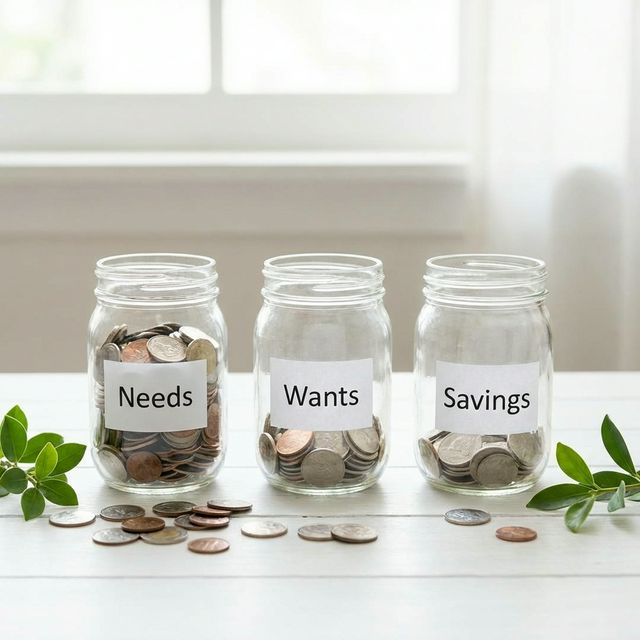
Bottom Line: The 50/30/20 rule divides after-tax income into 50% needs (housing, food, utilities), 30% wants (entertainment, dining, hobbies), and 20% savings/debt repayment. This simple framework prevents lifestyle inflation while building emergency funds automatically.
Key Action: Calculate your after-tax income, set up automatic 20% transfers to savings, and track spending for one month to optimize your allocations.
Let's cut through the financial advice noise with some brutal honesty: according to ONS 2026 data, 61% of UK households struggle with budgeting, and it's not because they lack willpower—it's because most budgeting systems are designed by people who've never stressed about choosing between petrol and groceries. The 50/30/20 rule survived because it acknowledges a fundamental human truth: we need permission to spend money on things that make us happy, not just things that keep us alive. For UK-specific guidance, see Money Helper's budgeting tools, explore our comprehensive Good Budgeting Techniques Guide, or learn about Cash Envelope vs Digital Pots for alternative approaches.
Why This Easy Rule Will Change the Game
The beauty of the 50/30/20 rule lies in its simplicity. Unlike complex budgeting systems that require tracking every penny across dozens of categories, this method gives you clear boundaries without micromanaging your spending decisions.
Our guide to budgeting techniques covers this in more detail.
What Makes It Work
- Flexible enough for real life
- Easy to calculate and remember
- Balances present needs with future goals
- Adapts to any income level
Proven Results
- Builds emergency funds automatically
- Prevents lifestyle inflation
- Reduces financial stress
- Creates sustainable habits
Research from the Bank of England shows that people who follow structured budgeting rules like 50/30/20 are 3.2x more likely to achieve their financial goals and report 47% lower levels of money-related stress. Ready to take control? Start by calculating your after-tax income and setting up your three category splits today.
The Breakdown: Putting Your Money to Work
Here's how to divide your after-tax income using the 50/30/20 framework. Remember, these percentages are guidelines—you can adjust them based on your specific situation.
5050% for Needs (Essential Expenses)
These are expenses you absolutely cannot avoid—the foundation of your financial stability.
Housing & Utilities
- Rent or mortgage payments
- Property taxes and insurance
- Electricity, water, gas, internet
Essential Living Costs
- Groceries and basic food
- Transportation (car payments, gas, public transit)
- Minimum debt payments
- Basic insurance premiums
3030% for Wants (Lifestyle & Entertainment)
This is your guilt-free spending money for the things that make life enjoyable.
Entertainment & Dining
- Restaurants and takeout
- Movies, concerts, events
- Streaming services
- Hobbies and recreation
Personal & Shopping
- Clothing and accessories
- Personal care and beauty
- Gym memberships
- Non-essential purchases
2020% for Savings & Debt Repayment
This percentage secures your future and eliminates debt faster than minimum payments alone. According to FCA consumer research, consistent 20% savings leads to £45,000+ accumulated over 10 years. If you're dealing with significant debt, consider reading our Debt Management Guide for targeted strategies, or explore automated saving techniques.
Emergency & Savings
- Emergency fund (3-6 months expenses)
- High-yield savings accounts
- Short-term goal savings
Investments & Debt
- 401(k) contributions
- IRA contributions
- Extra debt payments
- Investment accounts
Putting It Into Action (Without Getting Overwhelmed)
Step-by-Step Implementation
1
Calculate Your After-Tax Income
Use your monthly take-home pay (after taxes, health insurance, 401k contributions)
2
Set Up Automatic Transfers
Move 20% to savings immediately after each paycheck
3
Track Your Needs vs. Wants
Use a simple app or spreadsheet to categorize expenses for the first month
4
Adjust and Optimize
Fine-tune your percentages based on your actual spending patterns
Pro Tips for Success
- Start with a conservative estimate of your wants
- Use separate accounts for each category
- Review and adjust monthly for the first 3 months
- Celebrate small wins to build momentum
Common Adjustments
- High-cost areas: 60/20/20 or 55/25/20
- High debt: 50/20/30 (more to debt repayment)
- Low income: Focus on 50% needs first
- High earners: Consider 40/30/30 or 45/25/30
Friends celebrating 50/30/20 budget success in a cozy, vibrant room with charts and plants.
The 50/30/20 Rule FAQ
What if my needs exceed 50% of my income?
This is common, especially in high-cost living areas. Consider adjusting to 60/20/20 or look for ways to reduce housing costs (the biggest factor). You might also explore increasing your income through side hustles or career advancement. For help managing rising expenses, check ourCost of Living Strategies Guide.
Should I include 401(k) contributions in the 20%?
If you're using after-tax income (recommended), then yes—additional retirement contributions beyond company matching should come from your 20%. However, always contribute enough to get the full company match first, as it's free money.
How do I handle irregular income?
Use your lowest monthly income as the baseline for your budget. When you earn more, put the extra toward your savings and debt repayment goals. This creates a buffer for lean months while accelerating your progress during good months.
Can I modify the percentages?
Absolutely! The 50/30/20 rule is a starting point. Life circumstances, debt levels, and financial goals vary. The key is maintaining balance between current needs, enjoyment, and future security. Some people thrive with 40/30/30 or 55/25/20—find what works for you.
How do I apply the 50/30/20 rule with a partner or spouse?
Combine your after-tax incomes and apply the rule to your total household income. Decide whether to maintain separate accounts within each category or pool everything together. The key is open communication about financial goals and ensuring both partners agree on what constitutes "needs" versus "wants" for your household.
Does the 50/30/20 rule work when you have children?
Yes, but you'll need to adjust categories thoughtfully. Children's basic needs (food, clothing, healthcare, school supplies) go in the 50% needs category, while activities, toys, and entertainment fit in the 30% wants. Consider increasing your emergency fund target to 6-9 months of expenses since families typically need larger financial buffers.
How do I handle seasonal or variable expenses like holidays and vacations?
Create a separate "sinking fund" within your 20% savings category for predictable seasonal expenses. Calculate your annual holiday, vacation, and gift spending, then divide by 12 and save that amount monthly. This prevents these expenses from disrupting your budget when they occur and keeps you from relying on credit cards.
How do I get back on track with 50/30/20 after a financial setback?
Start by focusing on covering your needs (50%) first, then gradually rebuild. If you're in recovery mode, consider a temporary 60/10/30 split—prioritizing needs and savings while minimizing wants. Once you've stabilized and rebuilt your emergency fund, slowly transition back to the standard 50/30/20 allocation over several months.
Should I include side hustle income in my 50/30/20 budget?
Include consistent side income in your regular budget, but treat sporadic earnings differently. For stable side income, add it to your total and apply the 50/30/20 rule. For irregular earnings, consider allocating 100% to your 20% category (savings and debt) since your main income already covers your lifestyle needs. This accelerates your financial goals without lifestyle inflation.
What's the best way to automate my 50/30/20 budget?
Set up automatic transfers on payday: immediately move 20% to savings, keep needs money in your main checking account, and transfer wants money to a separate spending account. Use a high-yield savings account for your emergency fund and automatic investment contributions for long-term goals. Many banks offer percentage-based automatic transfers that make this seamless. For digital tools to streamline this process, explore ourMoney Management Tools Guide.
Ready to Transform Your Finances?
The 50/30/20 rule isn't just about numbers—it's about creating a sustainable relationship with money that allows you to enjoy today while building security for tomorrow. Start with just one paycheck, and watch how this simple framework transforms your financial confidence.
Remember: The best budget is the one you'll actually stick to. Keep it simple, be consistent, and adjust as needed. Your future self will thank you.
Get More Money-Saving Tips
Join thousands of readers who receive our best financial advice, budgeting strategies, and money-saving tips directly in their inbox.
Subscribe now to start saving
Free weekly tips • No spam • Unsubscribe anytime