
Buy Now, Pay Later vs Credit Cards: Which Is Safer for UK Consumers in 2026?
Key Points
Navigate the rapidly evolving credit landscape with confidence. Expert analysis of BNPL schemes versus traditional credit cards, regulatory protections, and practical guidance for UK consumers in 2026
Consumer Credit
Buy Now, Pay Later vs Credit Cards: Which Is Safer for UK Consumers in 2026?
Navigate the rapidly evolving credit landscape with confidence. Expert analysis of BNPL schemes versus traditional credit cards, regulatory protections, and practical guidance for UK consumers in 2026.
FCA Regulation Analysis
Consumer Rights Focus
2026 Market Updates
Our guide to debt payoff strategies covers this in more detail.
TL;DR — At-a-Glance Summary
Bottom Line: BNPL offers short-term 0% credit but lacks Section 75 protection and credit score benefits. Credit cards provide stronger consumer protections, Section 75 coverage (£100-£30k purchases), and credit building, but charge 18-29% APR on unpaid balances. New FCA regulations in 2026 bring BNPL under formal oversight.
Key Decision: Use BNPL for small purchases (under £100) if you're certain of repayment. Use credit cards for large purchases and build credit, paying in full monthly to avoid interest.
What is BNPL (Buy Now, Pay Later)?
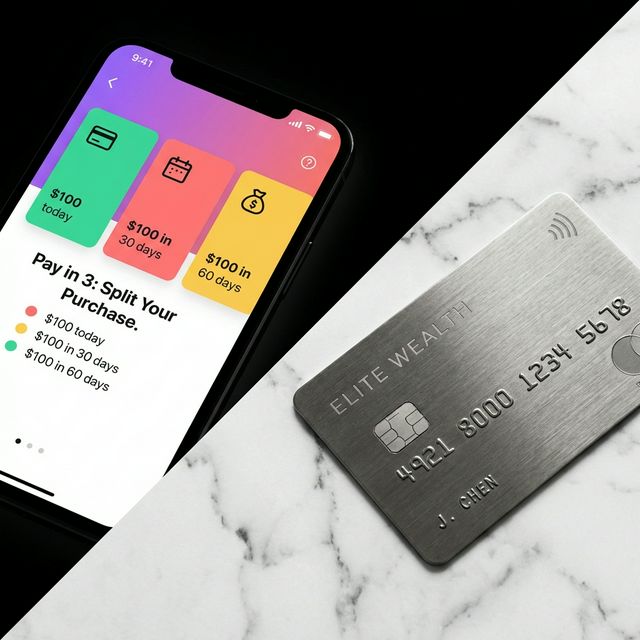
A form of short-term credit allowing purchases to be split into interest-free instalments (typically 3-4 payments over 6-8 weeks). Popularized by Klarna, Clearpay, and PayPal Pay in 3, BNPL is coming under FCA regulation in 2026 after years of operating outside traditional credit rules.
The Credit Confusion Crisis
Let's be brutally honest: You're probably making the wrong choice about credit. Maybe you're seduced by BNPL's "interest-free" promises, ignoring the psychological spending traps and late fee landmines. Or perhaps you're clinging to credit cards while missing out on genuine 0% opportunities and better consumer protections.
The uncomfortable truth is that most UK consumers are flying blind through a rapidly changing credit landscape. You might be paying hidden fees on "free" BNPL while your credit score suffers, or missing payments on cards that could destroy your financial future for years.
The stakes have never been higher: Which? research shows 33% of BNPL users have missed payments, while new FCA regulations in 2026 bring BNPL under formal oversight. The wrong credit choice can cost you thousands in fees, wreck your credit score, or trap you in debt cycles that take years to escape.
This guide cuts through the marketing manipulation and regulatory confusion to reveal which credit option truly serves your financial interests, following guidance from Money Helper. Learn how to manage existing debt effectively and understand budgeting frameworks that prevent credit dependency.
BNPL Mechanics: How It Really Works (Beyond the Marketing)
Buy Now, Pay Later promises simplicity but operates through complex business models that profit from both merchants and consumer behavior. Understanding these mechanics is crucial for making informed decisions.
The BNPL Business Model
BNPL providers make money through multiple revenue streams, not just late fees. Understanding this helps explain their aggressive marketing and why "free" isn't always free.
Merchant Fees (3-7%)
Retailers pay BNPL providers for increased conversion rates and higher average orders
Late Payment Fees (£6-12)
Applied when payments are missed, often with rapid escalation
Data & Analytics
Consumer spending patterns sold to retailers and financial services
Cross-selling
Additional financial products, premium accounts, and partner services
Payment Structure Breakdown
Most BNPL follows similar payment patterns, but the devil is in the details of timing, fees, and consequences.
4-Payment Model (Most Common)
25% at purchase, then 3 payments every 2 weeks
3-Payment Model
33% at purchase, then 2 monthly payments
Extended Terms (6-24 months)
Often includes interest charges and more complex terms
Pay-in-1 Month
Smaller purchases paid in full after 30 days
Major UK BNPL Providers: Key Differences
Detailed comparison of Buy Now Pay Later providers in the UK including Klarna, Clearpay, Laybuy, PayPal, and Zip
| Provider | Late Fee | Credit Check | Credit Reporting | Key Feature |
|---|---|---|---|---|
| Klarna | £6 | Soft | Late payments only | Widest merchant acceptance |
| Clearpay (Afterpay) | £6 + 25% | Soft | No | Fashion-focused retailers |
| Laybuy | £6 | Soft | Late payments only | 6-week payment cycle |
| PayPal Pay in 3 | £12 | Soft | Yes | PayPal ecosystem integration |
| Zip (Quadpay) | £6 | Soft | Late payments only | Tap to Pay in-store |
Credit Card Fundamentals: What You Need to Know in 2026
Credit cards remain the most regulated and predictable form of consumer credit, but 2026 brings new features, enhanced protections, and evolving reward structures that many consumers don't fully understand.
How Credit Cards Make Money
Understanding credit card revenue helps explain their costs and benefits compared to BNPL alternatives.
Interest Charges (18-29% APR)
Charged on balances not paid in full by due date
Merchant Fees (1-3%)
Interchange fees paid by retailers for transactions
Annual Fees (£0-500)
Premium cards charge for enhanced benefits and rewards
Penalty Fees (£12-27)
Late payments, over-limit, and cash advance fees
2026 Credit Card Evolution
The credit card industry is adapting to compete with BNPL through enhanced digital features and flexible payment options.
Installment Plans
Fixed-term payment plans for larger purchases
Real-time Notifications
Instant spending alerts and balance updates
Enhanced Digital Wallets
Seamless integration with Apple Pay, Google Pay
Flexible Payment Dates
Choose your own payment due dates
Credit Card Types: 2026 Landscape
| Card Type | Typical APR | Annual Fee | Best For | Key Benefits |
|---|---|---|---|---|
| 0% Purchase Cards | 21.9%* | £0 | Large purchases | Up to 21 months interest-free |
| Balance Transfer Cards | 24.9%* | £0 | Debt consolidation | Up to 29 months 0% on transfers |
| Rewards Cards | 22.9% | £0-£195 | Regular spenders | 1-3% cashback or points |
| Premium Travel Cards | 18.9% | £195-£500 | Frequent travelers | Airport lounge access, travel insurance |
| Building Credit Cards | 34.9% | £0-£25 | Credit building | Guaranteed acceptance options |
*After promotional period ends
Safety & Protection: The Critical Differences
Consumer protection varies dramatically between BNPL and credit cards. Understanding these differences could save you thousands if something goes wrong.
Credit Card Protections
Section 75 Protection
Full refund protection for purchases £100-£30,000
Chargeback Rights
Dispute transactions for non-delivery or fraud
Fraud Protection
Zero liability for unauthorized transactions
FCA Regulation
Comprehensive regulatory oversight and complaints process
Purchase Insurance
Extended warranty and purchase protection on many cards
BNPL Limitations
No Section 75 Protection
Limited recourse for faulty or non-delivered goods
Minimal Fraud Protection
Often relies on merchant policies for resolution
Limited Regulation (Until 2026)
Currently less regulatory oversight than credit cards
No Purchase Insurance
No extended warranty or purchase protection
Unclear Dispute Process
Varies by provider with limited formal procedures
Real-World Protection Scenarios
Scenario: £500 Laptop Never Arrives
Credit Card:
Section 75 guarantees full refund. Bank investigates and refunds within 8 weeks maximum.
BNPL:
Must pursue merchant directly. BNPL payments continue regardless. No guaranteed protection.
Scenario: £1,200 Holiday Cancelled
Credit Card:
Section 75 covers full amount. Additional travel insurance may apply. Strong legal protection.
BNPL:
Limited to merchant refund policy. Must continue payments while disputing. Weak protection.
2026 Regulatory Changes: What's Actually Changing
The FCA's new regulations for BNPL come into effect in 2026, promising better consumer protection. But understanding what's actually changing—and what isn't—is crucial for making informed decisions.
FCA BNPL Regulation Timeline
Q1 2026: Authorization Required
All BNPL providers must obtain FCA authorization
Q2 2026: Affordability Checks
Mandatory assessments for larger purchases
Q3 2026: Full Compliance
Complete regulatory framework in effect
What's Improving
Financial Ombudsman Access
Free dispute resolution service for consumers
Affordability Assessments
Credit checks required for purchases over £200
Clearer Terms & Conditions
Standardized disclosure requirements
Default Protection
Limits on late fees and collection practices
What's Still Missing
No Section 75 Equivalent
Purchase protection remains weaker than credit cards
Limited Credit Reporting
Positive payment history may not build credit
Inconsistent Cooling-off Periods
No standardized cancellation rights
Variable Interest Disclosure
Long-term BNPL interest rates often unclear
Debt Trap Analysis: Where Both Options Can Go Wrong
Both BNPL and credit cards can lead to dangerous debt spirals, but through different mechanisms. Understanding these patterns helps prevent financial disaster.
UK Debt Statistics: The Reality
47%
BNPL users miss payments
£2,400
Average UK credit card debt
34%
Only pay minimum on cards
£156
Monthly interest payments
BNPL Debt Traps
Multiple Overlapping Payments
Using multiple BNPL services creates complex payment schedules
Impulse Purchase Encouragement
Frictionless approval process bypasses financial reflection
Late Fee Escalation
Missing one payment can trigger multiple penalties
No Minimum Payment Option
Cannot reduce payments during financial difficulty
Credit Score Damage Without Building
Late payments hurt credit but good payments don't help
Credit Card Debt Traps
Minimum Payment Illusion
Low minimum payments extend debt for decades
Interest Rate Shock
Promotional rates end, leading to payment shock
Available Credit Temptation
Revolving credit encourages repeat borrowing
Cash Advance Costs
High fees and immediate interest charges
Balance Transfer Juggling
Moving debt without addressing spending causes
Warning Signs: When to Stop Using Either Option
🚨 Immediate Red Flags
- Using credit to pay for essentials (food, utilities)
- Taking cash advances to make other payments
- Missing payments on multiple accounts
- Only making minimum payments for 6+ months
- Using BNPL for groceries or necessities
- Unable to track all payment due dates
📊 Financial Health Indicators
- Credit utilization above 30%
- Credit payments exceed 20% of income
- No emergency fund while carrying debt
- Credit score declining for 3+ months
- Considering debt consolidation loans
- Avoiding opening bank statements
Credit Score Impact: Building vs Damaging Your Future
Your choice between BNPL and credit cards can significantly impact your credit score and future borrowing ability. Understanding these effects helps optimize your financial strategy.
Credit Cards: Score Building Power
Credit cards remain the most effective tool for building credit history when used responsibly.
Payment History (35% of score)
On-time payments build strongest credit factor
Credit Utilization (30% of score)
Low utilization (under 10%) maximizes this factor
Credit Age (15% of score)
Keeping old accounts open extends average age
Credit Mix (10% of score)
Different credit types improve overall profile
BNPL: Limited Credit Impact
BNPL services have minimal positive impact on credit scores, but can cause significant damage.
No Payment History Reporting
Most BNPL don't report positive payment history
Soft Credit Checks Only
Applications don't build credit inquiry history
Late Payment Reporting
Missed payments DO damage credit scores
Debt Collection Risks
Unpaid BNPL can lead to collections on credit file
Credit Score Scenarios: 12-Month Impact Analysis
| Scenario | Credit Card Impact | BNPL Impact | Long-term Implications |
|---|---|---|---|
| Perfect Payment History | +40-80 points | 0 points | Credit cards build strong foundation for future loans |
| One Late Payment | -60-100 points | -30-60 points | Both damage credit, cards have better recovery tools |
| High Utilization | -50-120 points | No direct impact | Credit cards show spending patterns, BNPL hidden from view |
| Multiple Applications | -5-15 points | 0 points | Hard inquiries from cards visible to lenders |
| Account Closure | -10-40 points | 0 points | Closing credit cards reduces available credit permanently |
Age-Based Targeting: Who's Being Marketed What (And Why)
BNPL and credit card marketing targets different age groups with tailored messages. Understanding these strategies helps you see through the manipulation and make objective decisions.
Marketing Tactics by Age Group
Gen Z (18-26)
BNPL Focus:
"No interest, no fees" messaging. Social media integration. Instant approval emphasis.
Credit Card Push:
Student cards, cashback on streaming services, app-based management.
Millennials (27-42)
BNPL Focus:
Budget management, spreading costs, family purchases.
Credit Card Push:
Rewards maximization, balance transfers, premium benefits.
Gen X+ (43+)
BNPL Focus:
Minimal targeting. Occasionally positioned as "modern convenience."
Credit Card Push:
Travel rewards, business benefits, premium services, relationship bonuses.
BNPL Usage by Age: UK Data
18-24 years
67%
Highest usage, often multiple services
25-34 years
43%
Regular users, typically for larger purchases
35-44 years
28%
Occasional use, often family-related purchases
45+ years
12%
Low adoption, prefer traditional credit
Age-Specific Risks & Benefits
Young Adults (18-25)
Risk: No credit building, impulse spending encouragement, payment confusion
Benefit: Access to goods without credit history, lower approval barriers
Working Adults (26-40)
Risk: Multiple payment juggling, credit score neglect, emergency fund reduction
Benefit: Cash flow management, avoiding credit card interest if disciplined
Established Adults (40+)
Risk: Lower purchase protection, missing credit benefits, unfamiliar terms
Benefit: Simple payment structure, no interest charges if used correctly
Alternative Options: Beyond the Binary Choice
The choice isn't always between BNPL and credit cards. Understanding alternative payment and credit options can provide better solutions for specific situations.
Debit Card + Savings
Traditional approach: save first, buy later. Highest financial security but requires patience.
No debt risk
Full purchase protection
No interest or fees
No credit building
Requires upfront savings
Best for: Essential purchases, people with existing debt
Store Credit & Layaway
Traditional retailer credit, layaway programs, and store-specific payment plans with varying terms.
Often 0% interest periods
Longer payment terms
Sometimes builds credit
Limited to specific retailers
High APR after promo periods
Best for: Large appliances, furniture, electronics from specific retailers
Personal Loans
Fixed-rate loans for specific purchases. Predictable payments but requires good credit for best rates.
Fixed payment schedule
Builds credit with payments
Can't re-borrow (forces paydown)
Requires credit check
Interest charges from day one
Best for: Large purchases (£2,000+), debt consolidation
Hybrid Strategies: Combining Options Intelligently
The "Credit Builder" Approach
Use credit cards for small, planned purchases while paying in full monthly. Use BNPL for larger items where 0% period provides genuine value.
- Monthly subscriptions on credit card
- Quarterly/yearly purchases on BNPL
- Emergency fund covers both
The "Safety First" Strategy
Prioritize purchase protection and payment flexibility. Use credit cards for high-value purchases, BNPL for low-risk items only.
- Travel, electronics on credit cards
- Fashion, small items on BNPL
- Always maintain emergency reserves
Practical Decision Framework: Choose the Right Option Every Time
Use this systematic approach to evaluate whether BNPL or credit cards (or alternatives) best serve your specific situation and financial goals.
The 6-Factor Decision Matrix
Score each factor from 1-5 based on your situation. Higher total scores favor the winning option for each scenario.
Purchase Protection Need
Credit cards win for expensive/risky purchases
Credit Building Priority
Credit cards essential for building history
Cash Flow Smoothing
BNPL helps spread costs without interest
Payment Flexibility
Credit cards offer more flexible payments
Interest Avoidance
BNPL guarantees 0% if paid on time
Spending Control
BNPL forces fixed payments vs revolving credit
✅ Choose Credit Cards When:
- Purchase value exceeds £100
- Building credit is important
- You pay balances in full monthly
- International or travel purchases
- Need extended warranty/insurance
- Want rewards/cashback
- Emergency payment flexibility needed
- Purchasing from unfamiliar merchants
- Business or tax-deductible expenses
✅ Choose BNPL When:
- Purchase under £200
- Guaranteed ability to pay on schedule
- Want to avoid interest charges
- Cash flow timing issue (short-term)
- Familiar merchant with good returns policy
- Credit score not a priority
- Simple payment structure preferred
- Don't qualify for 0% credit cards
- Fashion/trend purchases
❌ Avoid Both When:
- Already carrying existing debt
- No emergency fund
- Income uncertainty
- Recent missed payments
- Impulse purchase
- Can't afford full purchase price
- Buying essentials (food, utilities)
- Multiple existing payment plans
- Stressed about current payments
Quick Decision Flowchart
Step 1:
Can you afford this purchase without any credit?
→ If NO: Don't buy it. If YES: Continue.
Step 2:
Is this purchase over £100 OR from an unfamiliar/risky merchant?
→ If YES: Credit card. If NO: Continue.
Step 3:
Do you consistently pay credit cards in full monthly?
→ If YES: Credit card. If NO: Continue.
Step 4:
Is building credit score important for future loans?
→ If YES: Credit card. If NO: BNPL acceptable.
Integration with Overall Financial Strategy
Your credit choices should align with broader financial goals and strategies. Here's how to integrate BNPL and credit card decisions into comprehensive money management.
Financial Foundations First
Before optimizing between credit options, ensure your financial foundation is solid. Credit decisions become easier with proper groundwork.
Emergency Fund: 3-6 Months Expenses
Reduces need for any credit, provides payment security
Budget With Allocation for Wants
Planned spending reduces impulse credit usage
Debt Elimination Priority
Clear existing debts before taking on new credit
Income Stability Assessment
Secure income allows for more credit flexibility
Strategic Credit Usage
With solid foundations, credit becomes a tool for optimization rather than necessity. Use strategically to enhance your financial position.
Credit Building Phase (20s-30s)
Focus on building credit history for future loan qualification
Optimization Phase (30s-40s)
Maximize rewards and benefits while maintaining strong credit
Preservation Phase (50s+)
Maintain excellent credit while reducing overall debt exposure
Wealth Protection
Use credit for purchase protection and cash flow management
Related Financial Strategies
Debt Management Integration
Understanding how different credit types fit into debt elimination strategies helps prioritize payments and avoid new debt traps.
Learn more:
Conquer Your Debt—UK Strategies for Getting Out (and Staying Out) for Good
Budgeting System Alignment
Different budgeting methods work better with different credit strategies. Zero-based budgeting pairs well with credit cards, while envelope systems suit BNPL.
Learn more:
Good Budgeting Techniques—2026 UK Guide to Smarter Money Management
Frequently Asked Questions
Is BNPL really "interest-free" or are there hidden costs?
Do BNPL services affect my credit score even if I pay on time?
What happens if I can't make a BNPL payment on time?
How does Section 75 protection work with credit cards for purchases?
Can I use multiple BNPL services at the same time?
Which credit cards offer 0% purchase periods comparable to BNPL?
Are there age restrictions for BNPL services in the UK?
How will 2026 FCA regulations change BNPL services?
Can BNPL help me avoid credit card debt and interest charges?
What should I do if a merchant won't provide a refund for a BNPL purchase?
Should I close old credit cards if I switch to using BNPL primarily?
How do rewards credit cards compare to BNPL for frequent purchases?
Are there any BNPL services that do help build credit scores?
Can I transfer BNPL debt to a 0% balance transfer credit card?
What happens to BNPL debts if the provider goes out of business?
Is it better to use BNPL or save up for larger purchases?
Start Saving Money Daily
Get personalized money-saving tips and financial strategies delivered to your inbox every morning. Join thousands who are building wealth one tip at a time.
Subscribe