
UK Student Loans in 2026: A Plan-by-Plan Guide to Deciding What To Do
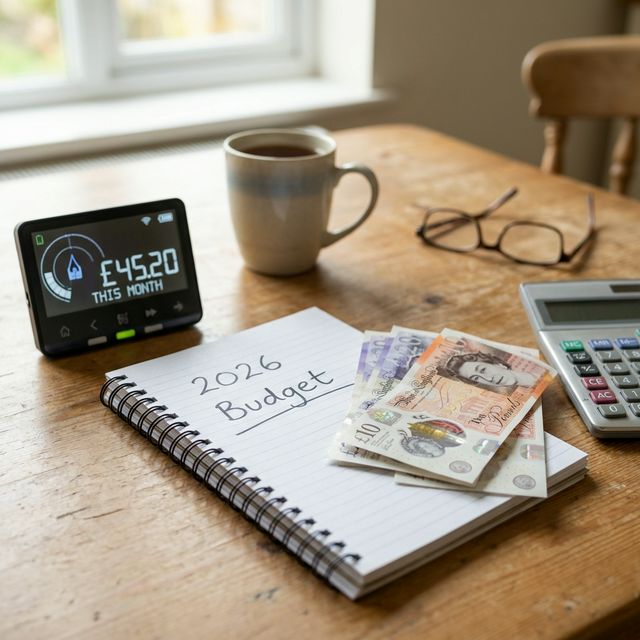
For most UK Plan 2 borrowers the loan is closer to a graduate tax than a debt. The system writes the balance off after 30 years and most people never repay in full. The right strategy depends on your plan, your income trajectory, and what you find harder to live with — the cost or the anxiety.
Find your plan first — it determines everything else
Almost every piece of student loan advice starts with this, and almost every borrower skips it. Don't. Your plan type changes the interest rate, the threshold, the write-off age, and whether overpayment makes any sense at all. The strategies for Plan 1 and Plan 2 borrowers are nearly opposite.
Log into the Student Loans Company portal (or the relevant nation's equivalent) and find out which plan you're on. If you graduated before 2012, it's almost certainly Plan 1. Between 2012 and August 2023, Plan 2. From September 2023, Plan 5. Scottish students on a Scottish loan, Plan 4. Postgraduate loans run on their own track.
I'm focusing here on the four most common: Plan 1, Plan 2, Plan 4, and Postgraduate.
Plan 1 (pre-2012 students). Threshold: £22,015, frozen. Repayment: 9% above threshold. Interest rate: the lower of Bank of England base rate or RPI, currently around 5–5.5%. Write-off: 25 years from the first repayment date. Plan 1 borrowers usually repay in full before write-off because the interest is modest and the balances are smaller. At a £30,000 salary, repayment is about £63 a month. Of the four, Plan 1 is the most generous by current standards.
Plan 2 (2012–2023 students). Threshold: £27,295, frozen until 2027 and then rising with RPI. Repayment: 9% above threshold. Interest: RPI+3% while studying or earning under £27,295, RPI+1% between £27,295 and £49,130, capped at RPI+0% for higher earners. Write-off: 30 years from the April after graduation. This is the expensive plan. Interest accumulates quickly, and most borrowers never repay in full. Total lifetime repayment ranges from £6,000 (modest earners) to £55,000+ (high earners), depending almost entirely on income trajectory.
Plan 4 (Scottish students). Threshold: £31,395, frozen. Repayment: 9% above threshold. Interest: RPI+0%, meaning no real interest accrues. Write-off: 30 years from April after graduation. Scottish-domiciled students benefit from tuition not being charged, and Plan 4 loans are by far the gentlest of the bunch.
Postgraduate loans. Threshold: £21,000. Repayment: 6% above threshold (not 9%). Interest: RPI+3% while studying, then RPI+0%. Write-off: 30 years.
If your plan is Plan 4 or Postgraduate with no real interest, this whole article matters less to you. The numbers behave themselves. If you're Plan 1, you'll likely repay in full and the maths is straightforward. If you're Plan 2, everything below matters.
The threshold isn't just a number — it's the whole game
If you earn below your threshold, you repay nothing. Zero. Regardless of how big the balance is or what the headline interest rate says.
That's worth sitting with for a moment. The £45,000 figure you can see in the portal does not translate into a £45,000 obligation. It translates into "9% of whatever you earn above £27,295, for the next 30 years." If for the next 30 years you earn £27,000, you will pay zero, and the entire balance will be written off.
This is why career and salary trajectory matter so much more than overpayment strategy. Two Plan 2 graduates with identical £40,000 starting balances:
The one who averages £30,000 over their career pays roughly £243 a year. Over 30 years, total repayment is around £25,000 — most of the balance gets written off.
The one who averages £60,000 over their career pays £2,943 a year, repays the full balance plus some interest, and probably clears the loan in their late 30s.
Both are valid outcomes. The first borrower has not "wasted" money on a loan they barely repaid — they got their education for £25,000 paid back gradually. The second got their education for the full sticker price plus interest. Same loan, completely different stories.
What this means in practice: small salary increases near the threshold matter disproportionately. If you're earning £27,000 and you negotiate up to £29,000, you've added £180 a year in loan repayments. If you're earning £40,000 and you negotiate up to £42,000, you've also added £180 a year in loan repayments. Same percentage cost. So don't let "but my student loan" be the reason you don't push for a raise. The loan does not care about your effort. It will tax above-threshold income the same regardless. You might as well make the income larger.
Should you overpay? Almost certainly not, if you're Plan 2
Overpayment is the most asked question I get on student loans, and the answer surprises most people. For Plan 2 borrowers earning under about £60,000, overpaying is almost always a bad idea.
The reason is the write-off. A Plan 2 loan is written off 30 years after the April you graduated. If you're 25 now, that's around age 55. Anything you haven't repaid by then is cancelled. So overpaying is only worth it if you would otherwise have repaid the full balance before write-off — meaning you need to be in a high-earning trajectory throughout.
A concrete example. A 22-year-old graduate has £45,000 of Plan 2 debt and earns £35,000. They have £200 a month they could throw at the loan, or invest. Two paths:
Path one — overpay £200 a month for 25 years. Total paid in overpayments: £60,000.
Path two — invest £200 a month for 25 years in a tracker fund averaging 5% real return. Total value at age 47: about £89,000.
The investment path is £29,000 ahead, and the loan would have been written off anyway. The overpaid £60,000 is essentially gone.
Overpayment makes sense only if one of four things is true. You're on Plan 1 (low interest, certain repayment). You're earning well over £60,000 with high certainty you'll continue to, in which case you'll repay in full anyway and the maths is closer. You have no better use for the money — no pension you could be contributing to, no ISA you could be filling, no high-interest debt elsewhere. Or you'd rather have £200 a month less in your savings and the psychological relief of a smaller balance.
That last one isn't wrong. Some people hate carrying debt, and the peace of mind from clearing it has real value even if the spreadsheet says otherwise. I'd just want you to know what you're paying for. £30,000 of foregone investment return over 25 years is a meaningful sum to pay for peace of mind. If that's the deal you want to make, make it deliberately, not by default.
What to actually do this week
Three concrete steps:
Find your plan and your current balance. Log into the Student Loans Company portal. Note both. Most borrowers underestimate their balance by 10–20% because interest has accrued in the background. Knowing the real number isn't depressing. It's just information.
Model your likely lifetime repayment. The Student Loans Company has a repayment calculator. Which? has a better one. Input your plan, current balance, current age, and a realistic salary trajectory. Run three scenarios: pessimistic, realistic, optimistic. Look at total repaid and age at write-off. For most Plan 2 borrowers under 30, the realistic scenario shows you repaying somewhere between £15,000 and £50,000 across 30 years and writing off the rest. Now you know.
Decide your overpayment rule once. Based on the numbers, decide whether you'll overpay or not, and write down why. The point of doing this once is to stop relitigating the decision every payday. If you're going to invest instead, set up the investment automatically so the money never sits in your current account asking to be spent.
If your income drops or you take a break
Repayment is income-contingent and runs through PAYE. If your salary falls below the threshold, repayments stop automatically — you don't have to do anything. The system reads your gross pay and calculates monthly.
If you take an extended career break, become unemployed, take maternity leave, become a full-time carer, or move to study or training, you can request formal deferment from the Student Loans Company. Deferment is available for up to three years.
There's an important catch. Deferment pauses repayments but not interest. On a Plan 2 loan at RPI+1%, a £40,000 balance grows by £400–£600 a year in deferment. The longer you defer, the more the balance grows. That doesn't always matter — if you're heading for write-off anyway, the bigger balance is theoretical. But if you might actually repay, deferment is more expensive than people realise.
A practical rule: if you're between jobs for under six months, deferment can be useful for cashflow reasons. If you're going to be earning below the threshold for years, you don't actually need deferment — the PAYE mechanism is already pausing repayments automatically based on your real income.
Tax relief, salary sacrifice, and the quietly clever bits
A few things almost no one tells you about.
Salary sacrifice pension contributions reduce both your tax and your student loan repayment. Student loan repayment is calculated on your gross pay reported to HMRC. Pension contributions made through salary sacrifice reduce that reported gross. So a £200/month pension salary sacrifice doesn't just save you 20–40% tax — it also reduces your loan repayment by 9% of £200, around £18 a month. For Plan 2 borrowers earning between about £27,000 and £50,000, this stacking effect is genuinely powerful, and most people miss it.
Tax relief on interest is real but obscure. Plan 2 borrowers paying more than £3,000 a year in interest can claim tax relief on the amount above £3,000 via self-assessment. This is roughly the top 10% of Plan 2 borrowers by balance. It's not automatic — you have to claim it. If you have a large balance and high interest, check.
If you work abroad, do not ghost the SLC. If you're a UK tax resident working abroad, you'll usually still repay through HMRC. If you're non-UK resident, contact the SLC directly — rules vary by country, and ignored loans abroad accrue arrears that the SLC actively pursues. There is no version of this that ends well by being ignored.
Three realistic scenarios
These are the most common Plan 2 trajectories, for the most common starting balance (around £43,000 for a three-year course).
Entry-level professional, £28,000–£32,000 baseline. Annual repayment at £30,000: £243. Monthly: £20. Total repaid over 30 years assuming 2% real salary growth: somewhere between £6,000 and £12,000. Loan writes off in your early 50s with a substantial balance still on the books — and that's fine. You're not in default. You're not penalised. The system is doing what it was designed to do.
Mid-career professional, £45,000–£55,000 baseline. Annual repayment at £50,000: £2,044. Monthly: £170. Total repaid over 30 years: around £35,000–£50,000. You probably still write off with some balance remaining, depending on whether your trajectory keeps growing.
High earner, £70,000+ baseline. Annual repayment at £75,000: £4,295. Monthly: £358. Likely repaid in full by your late 30s, with write-off irrelevant. Overpayment becomes a more reasonable conversation here — though usually still loses to maxing out your pension first.
Frequently asked questions
What's my repayment threshold in 2026? Plan 1: £22,015. Plan 2: £27,295 (frozen until 2027). Plan 4: £31,395. Postgraduate: £21,000. You pay 9% of income above the threshold (6% for postgraduate). Below the threshold, you pay nothing regardless of balance.
How much interest is accumulating on my loan? Plan 1: roughly 5–5.5%. Plan 2: RPI+3% while studying or under £27,295, RPI+1% between £27,295 and £49,130, RPI+0% above. Plan 4: RPI+0%. Postgraduate: RPI+0% after graduation. Check your specific rate in the SLC portal.
Should I overpay? Almost certainly not, if you're Plan 2 and earning under about £60,000. The loan writes off in 30 years and you almost certainly won't repay the full balance before then. Better uses for the money: emergency fund, pension contributions, ISA, mortgage deposit, or low-cost index funds.
What happens if my income falls below the threshold? Repayments stop automatically. No action needed. They restart automatically when your income rises again.
When does my loan get written off? Plan 1: 25 years from first repayment date. Plan 2, Plan 4, and Postgraduate: 30 years from April after graduation. At write-off, any remaining balance is cancelled.
Can I get tax relief on interest? If you're paying more than £3,000 a year in student loan interest, you can claim tax relief on the amount above £3,000 via self-assessment. Roughly the top 10% of Plan 2 borrowers qualify.
What if I work abroad? You still owe the loan. If you remain UK tax resident, repayment carries on automatically. If you're not UK tax resident, contact the SLC — rules vary by country and ignored loans abroad accrue arrears.
This article describes the UK student loan system as it stands in March 2026. Thresholds, interest rates, and rules change with government policy. For personalised guidance, contact the Student Loans Company directly, MoneyHelper, or a qualified financial adviser. This is general information, not personalised financial advice.
Important
This article describes the UK student loan system as it stands in 2026. Thresholds, interest rates, and rules change with government policy. For personalised guidance, contact the Student Loans Company directly, MoneyHelper, or a qualified financial adviser. This is general information, not personalised financial advice.
Last updated:
Thresholds and rates reflect the 2025/26 and 2026/27 tax years and may be revised by government policy. Confirm current figures on gov.uk before making decisions.
Sources & References
- Student Loans Company — official account access, balance, and repayment information
- gov.uk — Student Finance — thresholds, interest rates, and official guidance for all plan types
- Which? — Student Loans — independent calculator, advice, and comparison of repayment strategies
- MoneyHelper — Student Loans — free impartial guidance on student loan repayment